She's been building affordable NOLA housing for 25 years. She says it's harder than ever.
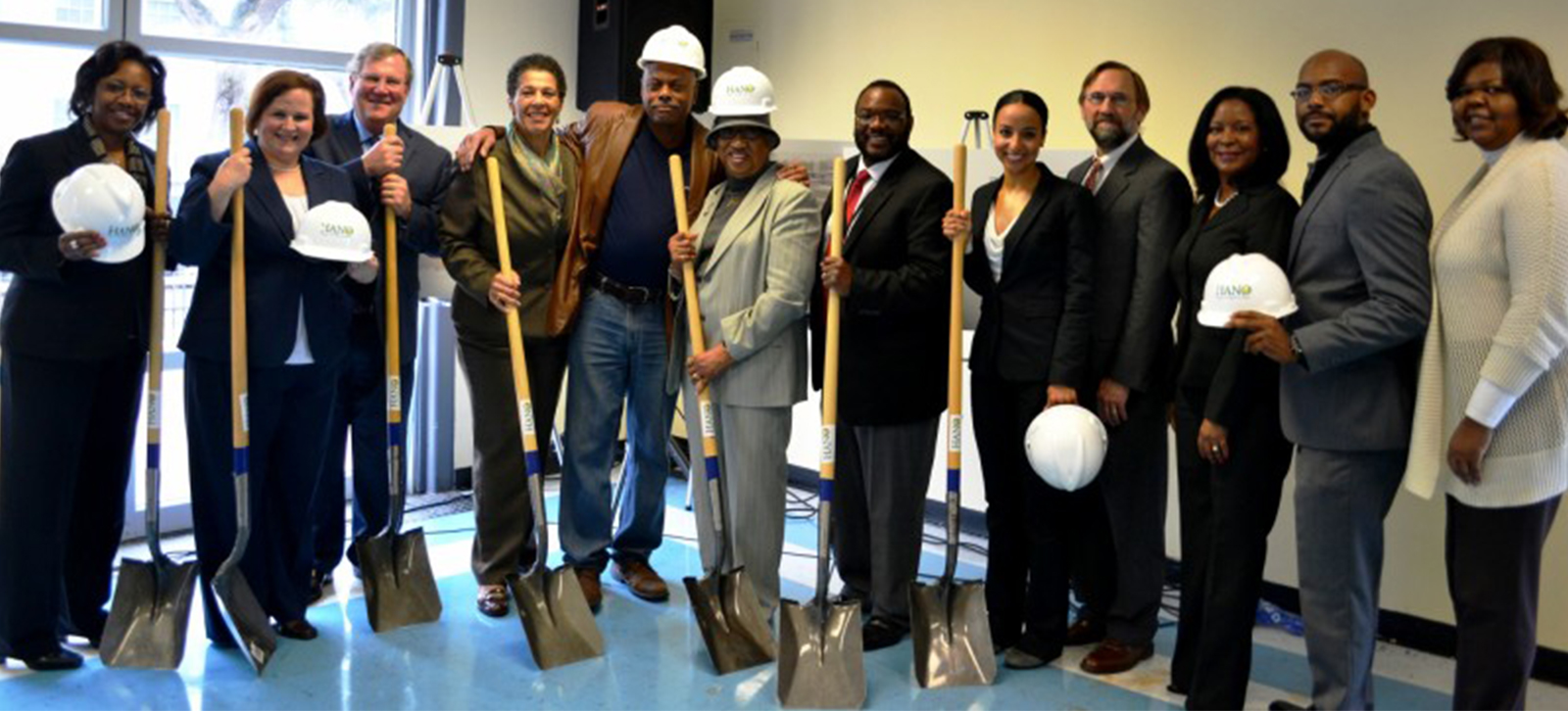
Terri North and three partners formed Providence Community Housing in the wake of Hurricane Katrina and spent the next two decades leading, among other things, the $250 million redevelopment of the former Lafitte public housing complex, which included creating roughly 150 housing units in the surrounding neighborhood.
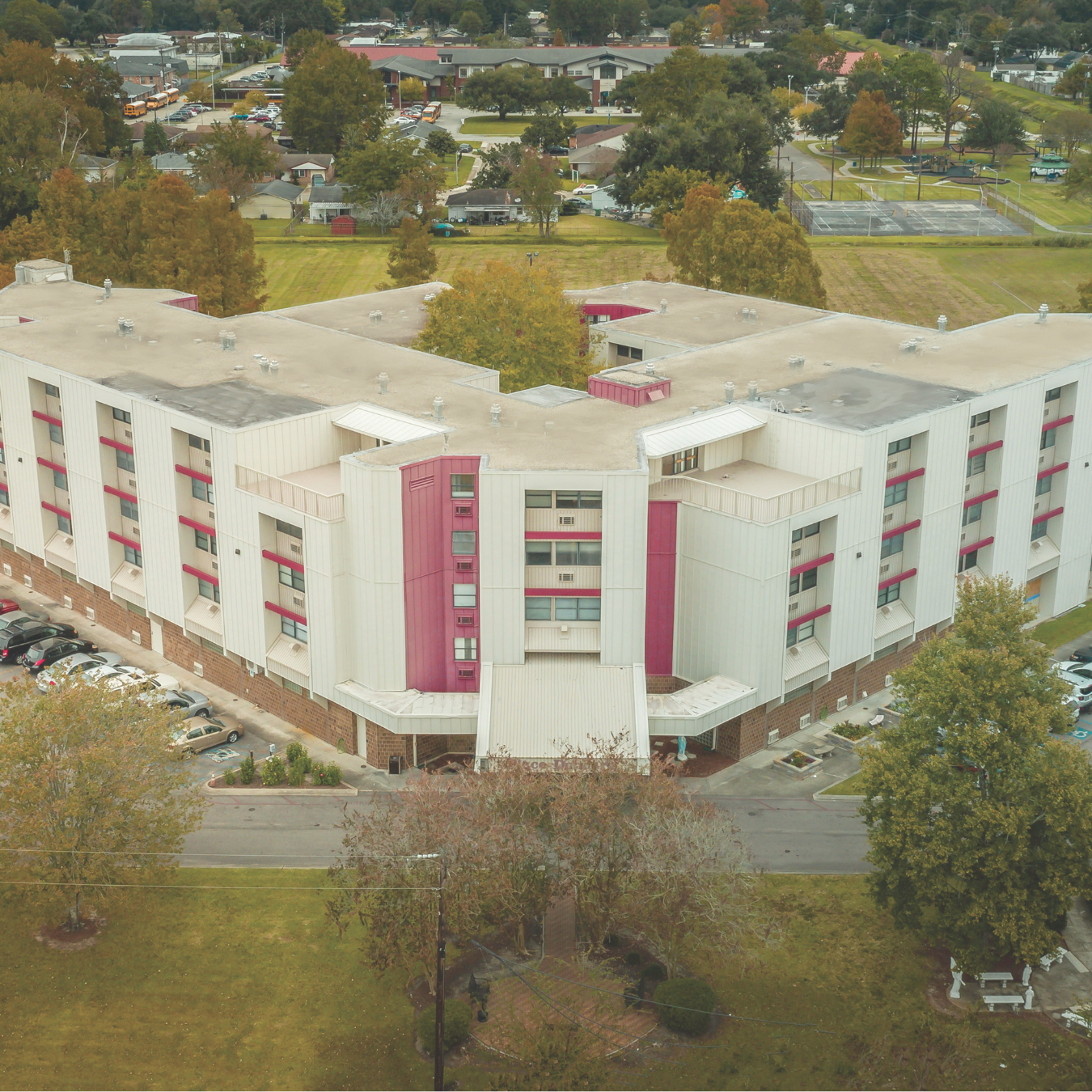
They also took over management of some of the Archdiocese of New Orleans’ portfolio of apartments for low-income seniors, Christopher Homes.
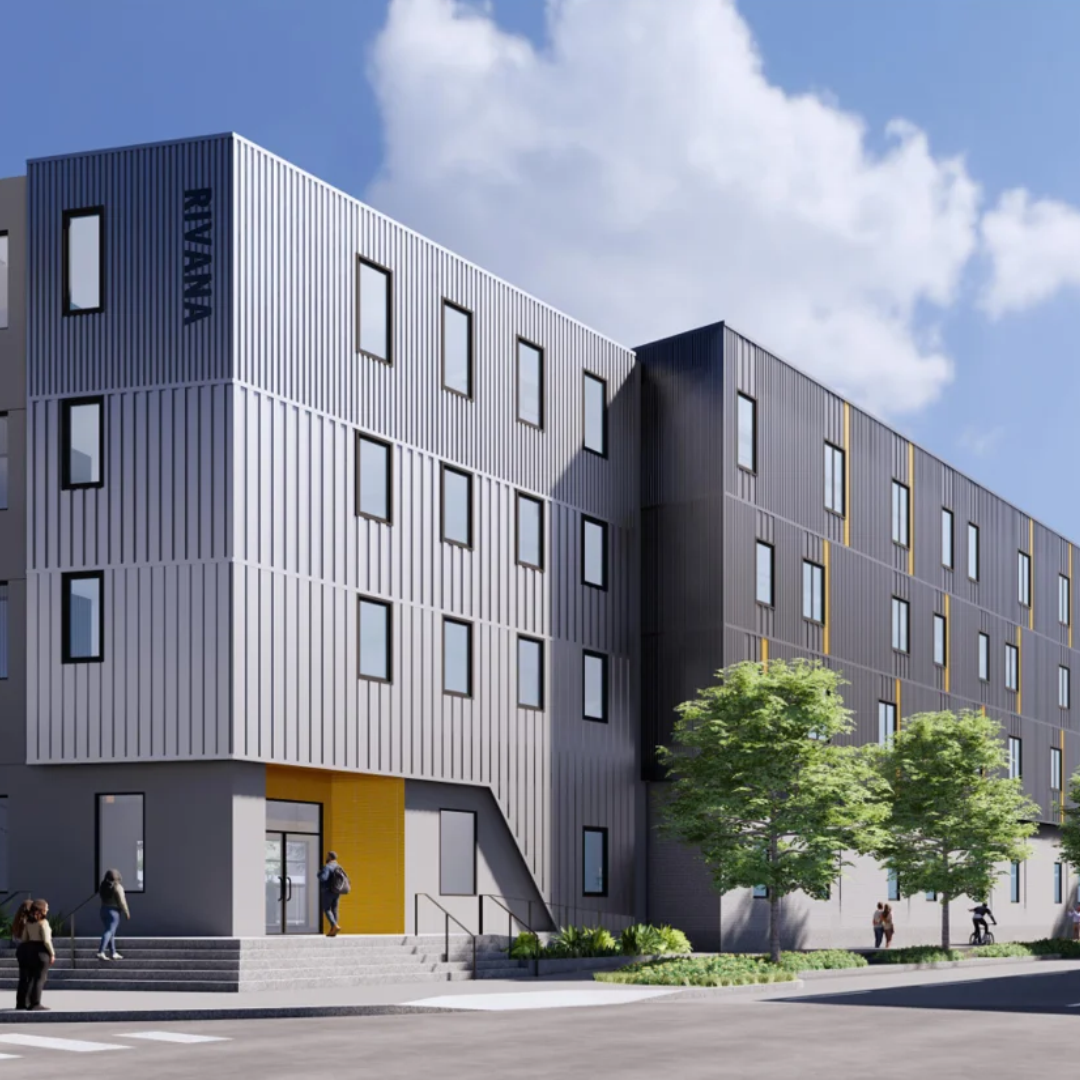
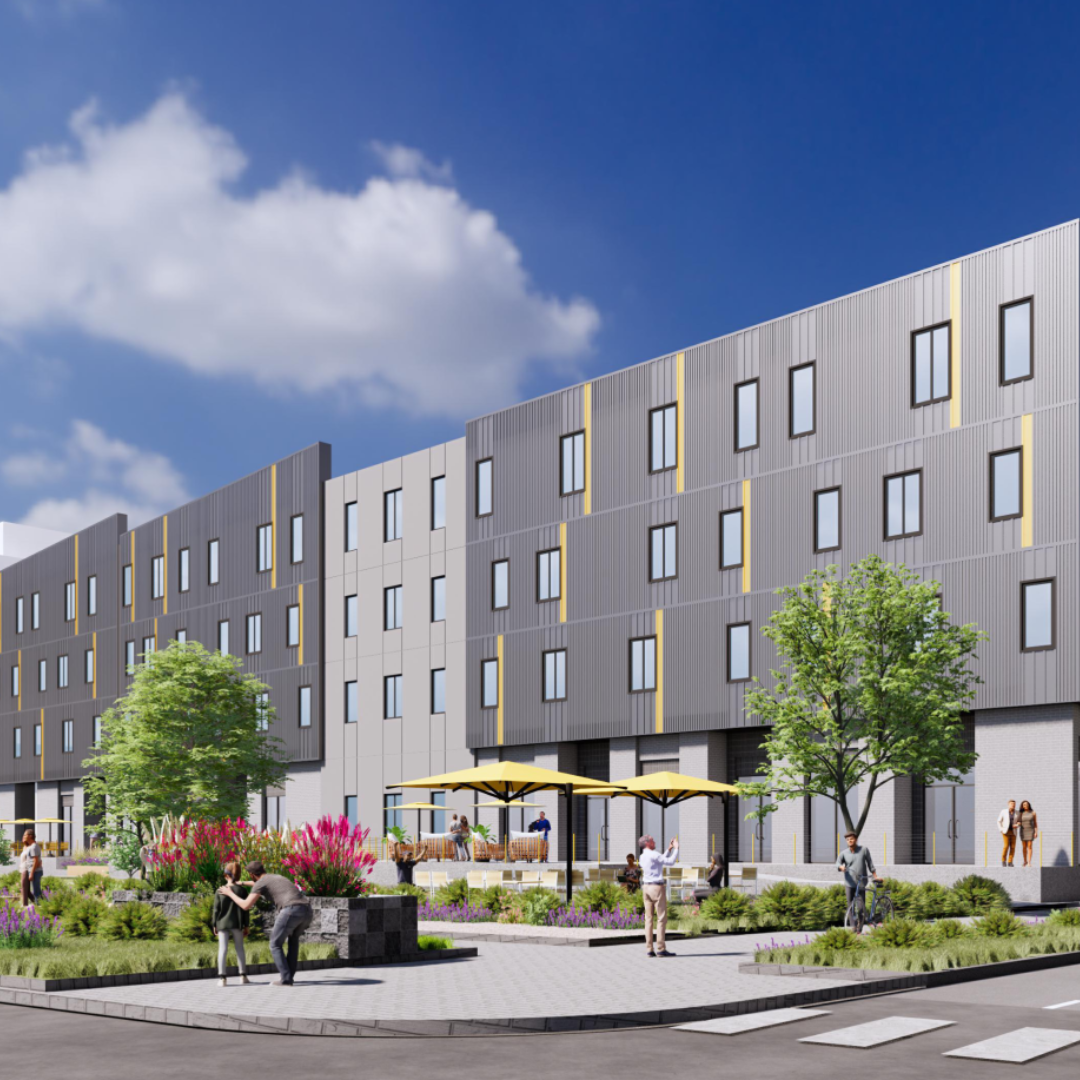
Last month, Providence closed on the financing for its biggest single project to date: the Rivana Apartments in the River District, a planned neighborhood being built from scratch on vacant industrial land just upriver from the Ernest N. Morial Convention Center.
Providence was brought in by the neighborhood’s original developers to help land an investor and get the $111 million project started before deadlines ran out to take advantage of state funds. It’s due to break ground in the next few weeks and be complete by 2028.
In this week’s Talking Business, North talks about why she founded Providence and how rising interest rates and inflation have made the job much harder.
This conversation has been edited for brevity and clarity.
How and why did Providence Community Housing begin?
I spent much of the 1990s as a banker, then felt the calling to switch careers and work for Willwoods Community, a Catholic organization that focuses on housing. I helped convert several buildings while there.
Father Michael Jacques, Jim Kelly, Charlotte Bourgeois and I created Providence after Hurricane Katrina, when the federal government passed the Gulf Opportunity Zone Act, which included a large supply of Low-Income Housing Tax Credits and Community Development Block Grants. The intent was to encourage developers to come to town and build.
What have your signature projects been?
One of our first acts was to buy and renovate five senior living homes from the archdiocese. The second was redeveloping the Lafitte Housing Project, now known as Faubourg Lafitte, as the U.S. Department of Housing and Urban Development was looking to transform the city’s “big four” public housing complexes: Lafitte, the B.W. Cooper, C.J. Peete and St. Bernard. They all have different names now.
Large, out-of-town developers did the other three, but Father Jacques, who was at St. Peter Claver in Treme, really wanted to have an involvement with the Lafitte, and we joined forces with Enterprise Community Partners, a national nonprofit that works with developers like us, and HUD chose us for the job.
Why did Enterprise need a small local organization like you?
We had a local presence and an association with the neighborhood, and we were able to reach out to the residents. We took a very community-driven approach.
We started working in 2007 to build out the infrastructure, the street grid, the plumbing underneath, the utilities, everything that would work with the new design. We just completed construction of the final phase this summer, nine years after it began.
There are now 516 units — far fewer than the original 896 — on the 12-acre Lafitte site. We created additional units throughout Treme and Mid-City, including rentals and homes sold.
What’s your business model? How do you keep the lights on?
Our primary source of income is developer and management fees. We also raise money and get grants, but we’re a nonprofit in a for-profit world. That’s why we’re always looking to create more units.
How did you wind up joining the Rivana project?
We have worked with VPG, one of the Rivana developers, before. They purchased a property that we developed on the West Bank after Hurricane Ida. Years earlier, they built a home for us when they were first getting into business.
The Rivana team had taken the project a very long way, but they were running into brick walls and running out of time. They needed to use the money that the state has in it, about $16 million, but the state was going to be reticent to give that extension without knowing some definite time frames: Who’s the investor? How are we going to get this done? We have those relationships, we’ve been doing these projects, and we’re well known for sticking with things.
The big challenge was finding an investor and getting things to move. Right now, the market here for Low-Income Housing Tax Credit investments is very limited. We have a very close relationship with Capital One, which is the primary investor down here now.
VPG looked at some other people but decided we were the best partner for the job and asked us to join in February.
What happens next with the Rivana?
We’re in charge of building it, placing it into service and getting people to live there. As a developer, we make guarantees, so we have to finish the construction or else we’re on the hook. We have to lease it up correctly or else we’re on the hook. That’s the risk all developers take.
How has the financing for affordable housing evolved?
When I first started doing this, the key piece was predominantly just a mortgage using a lot of the government-backed products combined with tax credits. Occasionally, you needed a little help from a private grant, community funds or something else. But those gaps were usually small.
But as interest rates go up, you can afford less mortgage and the gaps have grown, so now you have to find way to fill these gaps.
There was pushback from some on the New Orleans City Council before approving a payment in lieu of taxes agreement for the Rivana. How did you pitch it?
They’re in a really tough position with the budget crisis, but I told them this is an investment in the city’s future. We can’t stop doing that because we’re having budget problems.
How do you respond to critics who say the Rivana units are too expensive?
The need was already great for affordable housing, and it’s growing because people are still making what they were making in 2015, and all their expenses have risen — and we’re building at such a slow rate. To have any sort of major impact, this is the kind of project that you can do. I’m not saying it’s the best way. It is the way that is set up now to get something done.
I hope we get to the point where people make living wages, that they are able to work and support themselves, but we have residents that work 60 hours a week and still qualify for affordable housing because their income isn’t high enough.
I always say, and I’m totally serious about this, I want someone to put me out of business.